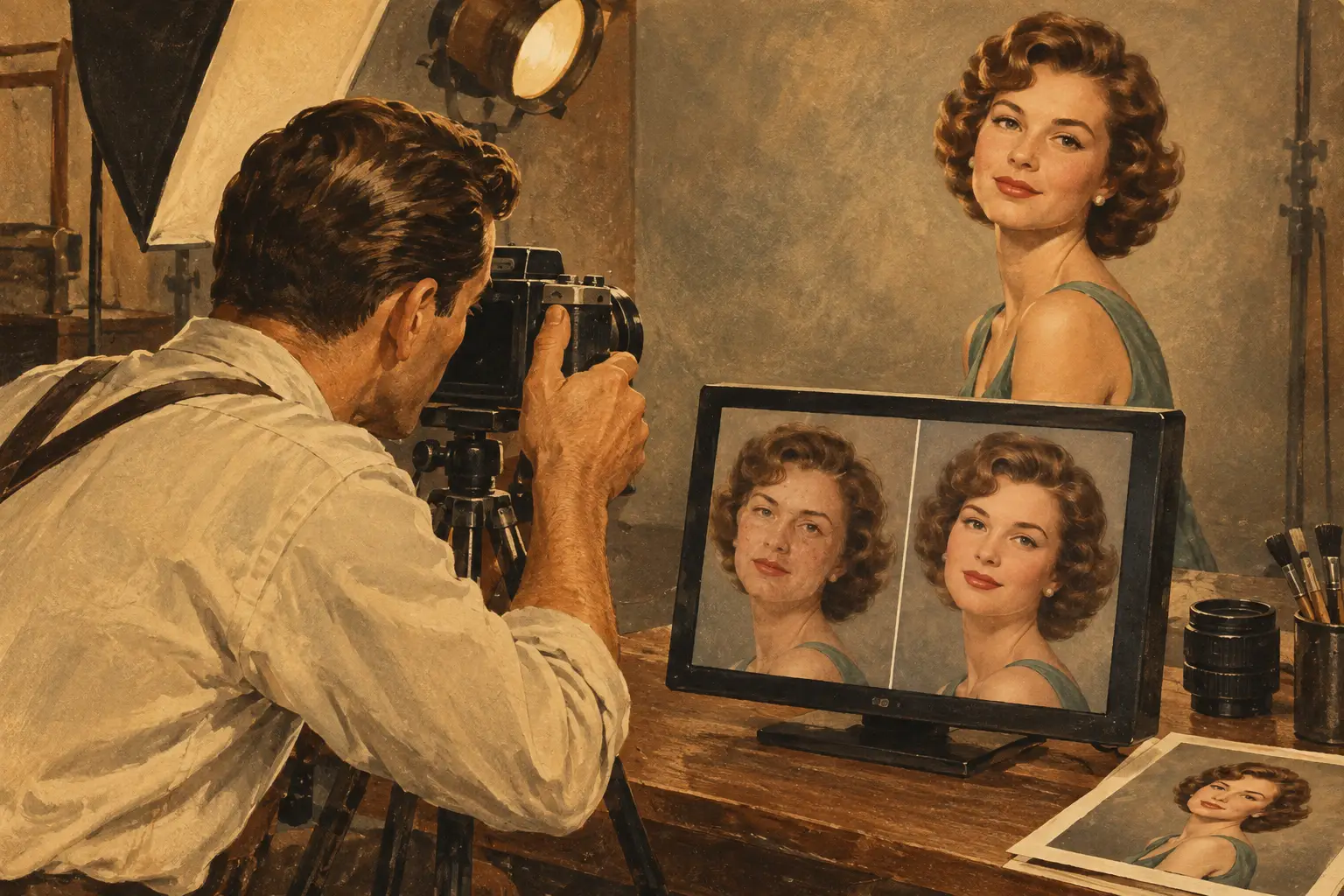
A photograph can hold the only clear view of a grandparent’s smile, a child’s first day of school, or the people who built a business from the ground up. When that image is faded, scratched, poorly exposed, or simply not polished enough to share, a professional photo retouching service can help protect what the photo still has to say.
Retouching is not about making every face look artificial or rewriting the past. Done well, it is careful, respectful work. It brings attention back to the moment, the person, and the story instead of the stains, dust, color shifts, and distractions that have accumulated over time.
Retouching preserves more than appearance
People often use “restoration” and “retouching” interchangeably, but they can serve different needs. Photo restoration usually addresses physical or age-related damage: torn corners, creases, water spots, fading, discoloration, missing areas, and scanned prints that have picked up dust or scratches. Retouching may be lighter and more selective, such as improving color balance, softening temporary blemishes, correcting a distracting background, or making an image ready for print.
The line between the two is not always sharp. An old family portrait may need both repair and refinement. A recent wedding photo may not be damaged, but a cluttered background, poor indoor lighting, or a distracting object can pull focus from an otherwise beautiful image. In either case, the goal is not to create a different memory. It is to make the original image easier to see, preserve, and enjoy.
That restraint matters. Over-smoothed skin, overly bright eyes, and colors pushed too far can make a meaningful photo feel unfamiliar. The best results honor the character of the original while addressing the details that keep it from looking its best.
What a professional photo retouching service can address
Every image starts with a different challenge. A scanned print from a family album may have yellowed over decades. A framed photograph may show glare from the glass. A treasured picture may be the only copy available, with fingerprints, faded faces, or a torn edge. Modern digital images have their own issues, from uneven lighting and background clutter to color casts caused by indoor lighting.
A skilled retouching process can correct exposure, improve contrast, balance color, reduce visible dust and scratches, and repair small damaged areas. It can also gently sharpen a soft image when there is enough original detail to work with. For business photos, retouching can create a more consistent look across team headshots, product images, real estate photos, or marketing materials.
Some requests require more judgment than others. Removing a person from a background, rebuilding part of a damaged photograph, or correcting a severely faded image takes time and may not produce the same result as a clean, high-resolution original. A trustworthy provider should explain what is realistic before promising a perfect repair.
Start with the best possible source image
Retouching can make a meaningful difference, but it cannot fully replace missing visual information. A tiny, blurry social media download will have limits that a high-quality scan or original digital file does not. Starting with the best available source protects more of the image’s detail.
For printed photographs, careful scanning is the foundation. The photo should be handled gently and scanned at a resolution appropriate for its size and intended use. A small image that will be enlarged for a display print needs more detail than one meant only for sharing by text or email. If the original is fragile, curled, or mounted in an album, professional handling may help avoid further damage.
For digital photos, use the original camera file whenever possible. Avoid taking a picture of a picture with a phone unless there is no other option. Phone photos of prints can introduce glare, shadows, perspective distortion, and extra compression. Those issues can sometimes be reduced, but avoiding them from the beginning produces a cleaner result.
The right level of editing depends on the photo’s purpose
A photo prepared for a family archive should often look natural and true to its era. If an image was taken in the 1960s, for example, its character may include softer contrast or a film-based color palette. Correcting damage does not always mean making it look like it was captured yesterday.
A portrait for a business website has a different job. It needs to feel polished, consistent, and approachable, especially when displayed beside other team members. Small adjustments to lighting, color, and background distractions can help the image reflect the same care the business brings to its work.
Photos for large prints, slideshows, memorial displays, wedding albums, or video tributes deserve particular attention. Details that look minor on a phone screen can become obvious when an image fills a monitor or is printed at a larger size. Retouching before production helps prevent an important presentation from being weakened by a distracting flaw.
Collaboration protects the meaning of the image
The person editing a photo can improve its technical quality, but the owner of the photograph knows what matters most. Maybe the goal is to preserve a mother’s familiar expression, keep the texture of an old uniform, or make sure a faded name tag remains readable. Those details may not be obvious to an editor without a conversation.
Clear communication also helps define what should stay untouched. A scar may be part of someone’s identity. Wrinkles in an anniversary portrait may represent a life well lived. In family photographs, the most meaningful result is rarely the most heavily edited one. It is the one that still feels like the person everyone remembers.
Preview-based editing is especially valuable for larger restoration projects or images with emotional weight. Reviewing an edited version before final delivery gives families and businesses a chance to request reasonable adjustments and feel confident in the finished image.
Think beyond the repaired file
Once a photo has been retouched, it should be preserved in a format that is easy to use and safe to keep. A high-resolution master file is valuable for future printing, while smaller copies are useful for emailing, posting, or sharing with relatives. Naming files clearly and keeping copies in more than one location can reduce the risk of losing the work later.
For families, a repaired photo may become part of a memorial video, a printed album, a framed gift, or a collection of digitized family memories. For businesses, it may support a website refresh, promotional materials, social media content, or a professional presentation. The same careful image can serve a different purpose for years when it is properly saved.
For Jacksonville-area families who prefer not to send irreplaceable originals away, working with a local, hands-on media partner can offer welcome peace of mind. AWV Production approaches photo work with the same respect given to aging tapes, film reels, and other one-of-a-kind memories: carefully, clearly, and with the final story in mind.
A damaged or imperfect photo does not have to stay hidden in a drawer or buried in an old folder. With thoughtful retouching and realistic expectations, it can become something people can see clearly again, share confidently, and keep close for the next generation.