A faded photo album, a box of VHS tapes, and a voicemail saved on an old phone may not look like a family archive. But together, they hold voices, faces, jokes, milestones, and everyday moments that cannot be recreated. The best family memory preservation ideas make those moments easier to enjoy now while protecting them from loss, damage, and changing technology.
Preservation does not have to mean turning your home into a museum. It means making thoughtful choices about what matters most, creating reliable copies, and giving your family more opportunities to experience its own story.
Start With the Memories That Cannot Be Replaced
Before buying storage devices or sorting every closet, identify the items with the greatest emotional and historical value. A wedding video, a grandparent’s recorded message, childhood film reels, handwritten letters, or photos from a family member who has passed away deserve attention first.
Older formats can deteriorate without much warning. Tape can weaken, film can fade, photos can stick together or suffer water damage, and outdated players become harder to find. Prioritizing irreplaceable items helps you make progress without feeling overwhelmed.
12 Best Family Memory Preservation Ideas
1. Convert VHS, camcorder tapes, and film reels to digital files
Old videotapes and film reels are often the only record of birthdays, vacations, school performances, and family celebrations. Converting them to digital formats lets you watch and share them without repeatedly running fragile media through aging equipment.
A professional transfer service can also help provide clean, stable digital copies from formats that are difficult to play at home. Keep the original media after transfer when possible, but use the digital copy as your everyday viewing version.
2. Restore damaged photographs before they worsen
Photographs can fade, tear, discolor, or develop scratches after years in albums, attics, and storage boxes. Photo restoration can correct many of these issues while preserving the character of the original image.
Once restored, save a high-resolution digital version and make a printed copy for display. This is especially meaningful for portraits of grandparents, military photos, wedding pictures, and images tied to a family’s early history.
3. Record family interviews while you still can
The stories behind the pictures are often more valuable than the pictures themselves. Ask relatives about their childhood homes, first jobs, favorite traditions, major moves, funny family moments, and people they remember.
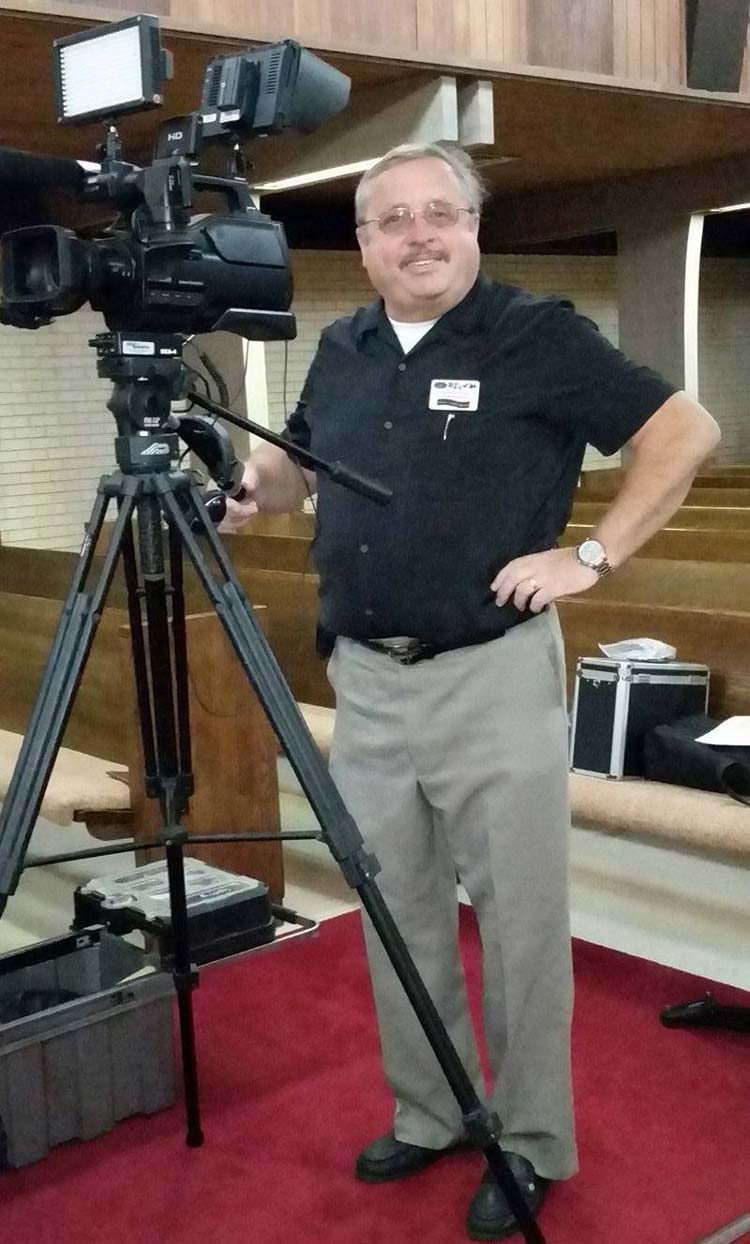
A professionally recorded video interview creates something future generations can hear and see, not just read. If a formal setup feels intimidating, begin with one conversation at a kitchen table. The key is capturing a person’s voice, expressions, and perspective in a comfortable setting.
4. Create a yearly family video
A short annual video is one of the simplest ways to document how life changes over time. Include a few clips from birthdays, holidays, vacations, school events, sports, pets, and ordinary weekends at home.
You do not need a major production every year. Even a three- to five-minute recap becomes powerful when your family watches several years in a row. For milestone years, a professional videographer can add polished interviews, thoughtful editing, and footage that everyone can be present for instead of filming.
5. Preserve wedding footage and photos in more than one place
A wedding day moves quickly, and the video and photos become the lasting record of moments many couples barely had time to take in. Keep original files, edited videos, and high-resolution photos organized in clearly labeled folders.
Save copies on a quality external drive and in a reputable cloud storage account. If you have older wedding footage on DVD, MiniDV, or VHS, consider transferring it before the disc or tape becomes unreliable.
6. Save meaningful audio recordings
A person’s voice can bring back a memory with remarkable immediacy. Preserve voicemail messages, cassette recordings, answering-machine tapes, speeches, performances, and audio from family gatherings.
Audio transfer is particularly valuable for recordings that are easy to overlook because there is no image attached. Label each file with the speaker, approximate date, and occasion, so the recording still has context years from now.
7. Build a digital family archive with clear labels
Digital files are only useful if someone can find them. Create folders by year, event, or branch of the family, then use simple file names such as “1998_Grandma_80th_Birthday” rather than vague names like “IMG_0042.”
Add a short note to folders containing names, locations, and dates. A little organization now saves future family members from guessing who is in a photograph or why a particular clip matters.
8. Make a memory book for each child or grandchild
A memory book can combine photos with short written notes about favorite sayings, school achievements, traditions, hobbies, and personality at different ages. It is less about creating a perfect scrapbook and more about preserving details that parents and grandparents may otherwise forget.
Consider adding printed copies of report cards, artwork, ticket stubs, cards, and a few handwritten messages. Physical books offer a tactile experience that digital files cannot replace.
9. Recreate favorite family recipes with the stories behind them
Recipes preserve more than ingredients. They can hold memories of Sunday dinners, holiday kitchens, cultural traditions, and the relatives who taught everyone how to cook.
Collect recipes in a printed or digital cookbook, but include a few sentences about where each dish came from and when it was served. A video of a loved one preparing a signature recipe can become a treasured family keepsake.
10. Digitize children’s artwork and school projects
Not every finger painting or science project can stay in a closet forever. Photograph or scan the pieces that best represent a child’s creativity and growth, then organize them by school year.
Choose a few physical favorites to keep in a portfolio box. This approach honors the memories without creating storage problems that make the collection difficult to manage.
11. Create a family time capsule for future milestones
A time capsule gives present-day family members a chance to speak directly to the future. Include letters, photos, small mementos, current newspaper clippings, a list of favorite songs, and predictions about what life may look like in five, ten, or twenty years.
Set a date to open it together. A digital time capsule can work well too, especially when it includes video messages recorded for a child’s graduation, a future wedding, or a family reunion.
12. Share memories at reunions and holiday gatherings
Preservation becomes more meaningful when memories are experienced together. Set up a slideshow, play old home movies, bring out a restored photo, or invite relatives to identify people in a collection of unlabeled images.
These gatherings can fill in missing details and spark stories that no one thought to record before. They also remind younger family members that the archive belongs to them, not just to the person who created it.
Protect Your Archive With More Than One Copy
The strongest preservation plan uses a mix of physical and digital storage. Keep original photos, tapes, and documents in a cool, dry place away from direct sunlight, attics, basements, and areas prone to moisture. For digital files, maintain at least two copies on separate devices, plus a cloud-based backup.
Check your files and storage devices periodically. Technology changes, hard drives can fail, and a cloud account is only helpful if someone knows how to access it. Leave clear instructions for trusted family members, including passwords or account access plans kept in a secure location.
For Jacksonville-area families, working with a local preservation professional can offer welcome peace of mind when handling irreplaceable tapes, film, photographs, and recordings. AWV Production provides hands-on support for converting and preserving treasured media without the worry of sending it far away.
The goal is not to preserve every single item. It is to protect the moments that help your family recognize its roots, hear familiar voices, and keep telling unforgettable stories long after the original tape, photo, or recording would have faded.